
Please note: The notes given below are purely for educational purpose. No asanas should performed on your own without proper guidance. Asanas should be performed under the guidance of a qualified instructor to ensure they are done correctly and safely. Attempting these exercises without proper supervision may result in injury.

Asanas
may be classified according to the postuers involved
· Sitting
· Standing
· Lying
· Twisting and
· Balancing.
Asanas
could also be categorized under 3 major categories.
· Meditative Asanas,
· Relaxation Asanas and
· Therapeutic asanas.
Sitting Posture:
a) Padmasana: (The Lotus Pose)


b) Vajrasana:(Diamond Pose)


C) Paschimothanasana: (Posterior stretching posture)


Standing
Postures:


b) Padahastasana:(Hand to foot pose)


c) Ardhachakrasana: (Half-wheeled pose)


Lying Down Poses:
a) Salabasana: (The Locust pose)


c) Makarasana: (Crocodile posture)


a a) Ardha Matsyendrasana: (half spinal twist pose)


a b) Vakrasana:


a c) Ustrasana: (Camel posture)


Balancing
Poses:
a a) Vrikshasana: (The tree pose)


a b) Vutkatasana: (Chair sitting pose)


a c) Natarajasana:


a d) Trikonasana: (The triangle pose)


Meditation
Asanas:
a a) Padmasana , Vajrasana – (refer above)
b) Sukhasana:


Yoga
poses for relaxation:
a a) Makarasana – Salabasana –(refer previous pages)
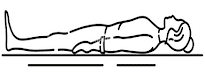
b) Savasana: (The Corpse Pose)

c) Matsyasana: (Fish Posture)


a) Apanasana: (Knee to Chest pose)


a b) Hips circles:


1. Paschimothanasana
2. Dhanurasana
3. Ardha Matsyendrasana
4. Savasana
5. Vakrasana
b B) Asanas for treating back pain:
1. Salabasana
2. Paschimothanasana
3. Trikonasana
4. Ustrasana
c C)
Asanas
for relieving gas and bloating:
1. Apanasana
2. Paschimothanasana
3. Salabasana
d D) Asanas for reducing obesity:
1. Ardha Matsyendrasana
2. Trikonasana
3. Paschimothanasana
4. Vajrasana
5. Padahasthasana
e E) Asanas for curing tension and stress:
1. Sukasana
2. Paschimothanasana
3. Setu Bandhasana
4. Savasana
5. Trikonasana
Please
note: Asanas should be performed under the guidance of a qualified instructor
to ensure they are done correctly and safely. Attempting these exercises
without proper supervision may result in injury.
Related: Read the full Guide on Yoga & Physical eduaction
Kirthi's Exam Insight:
"To score full marks on the Classification of Asanas, organize your answer into two clear sections: Classification by Posture (Standing, Sitting, Lying) and Classification by Purpose (Meditative, Relaxation, Therapeutic).
Presentation Tip: Use a table to list asanas for specific health benefits like Diabetes or Back Pain, as this demonstrates your ability to apply yoga theory to real-world health issues.
Topper's Secret: Emphasize that while most asanas provide physical benefits, 'Relaxation Asanas' like Savasana are crucial for mental hygiene and stress management. Highlighting the 'Therapeutic' value of yoga shows a deeper professional understanding of the subject and helps you secure the highest marks!"






0 Comments